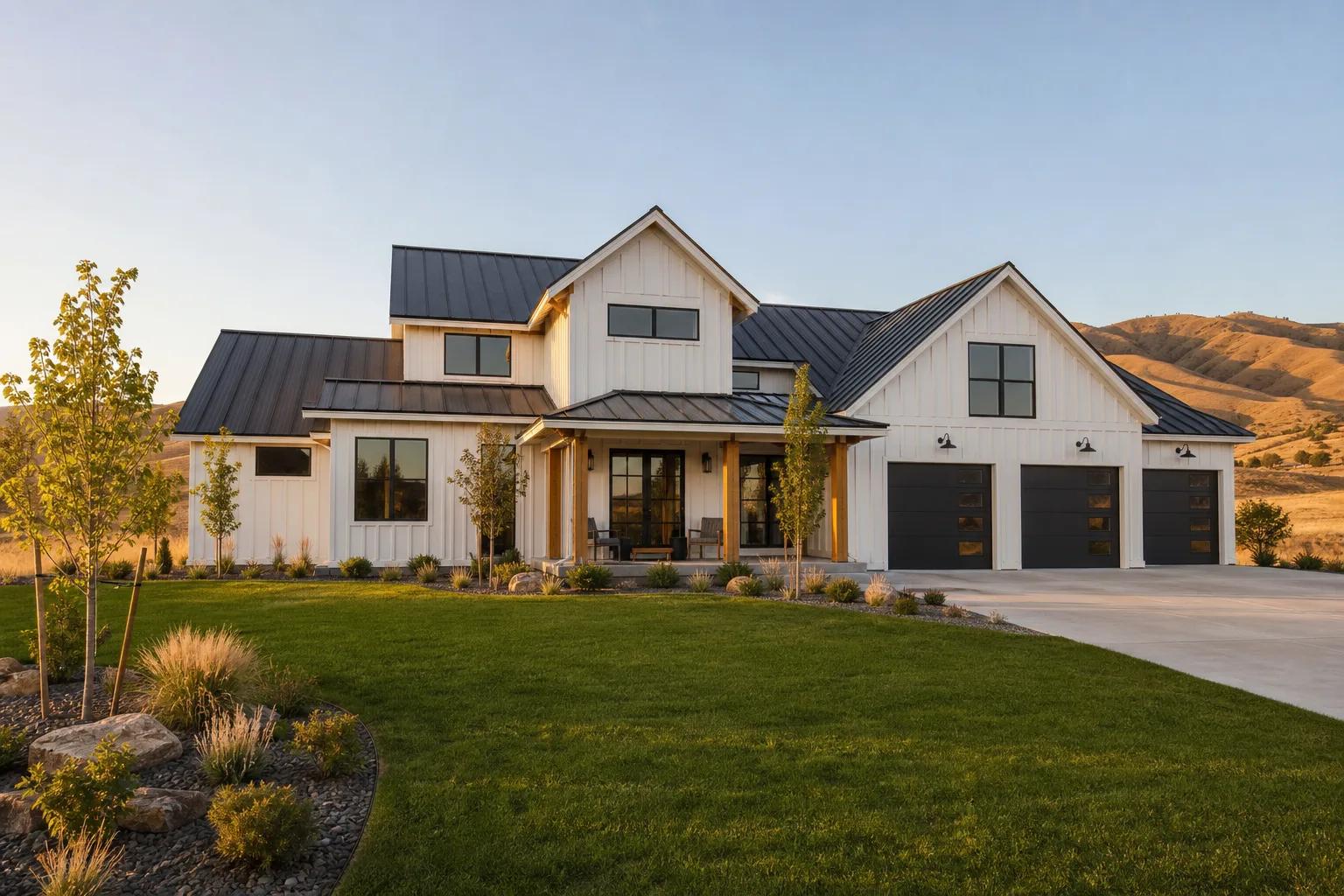
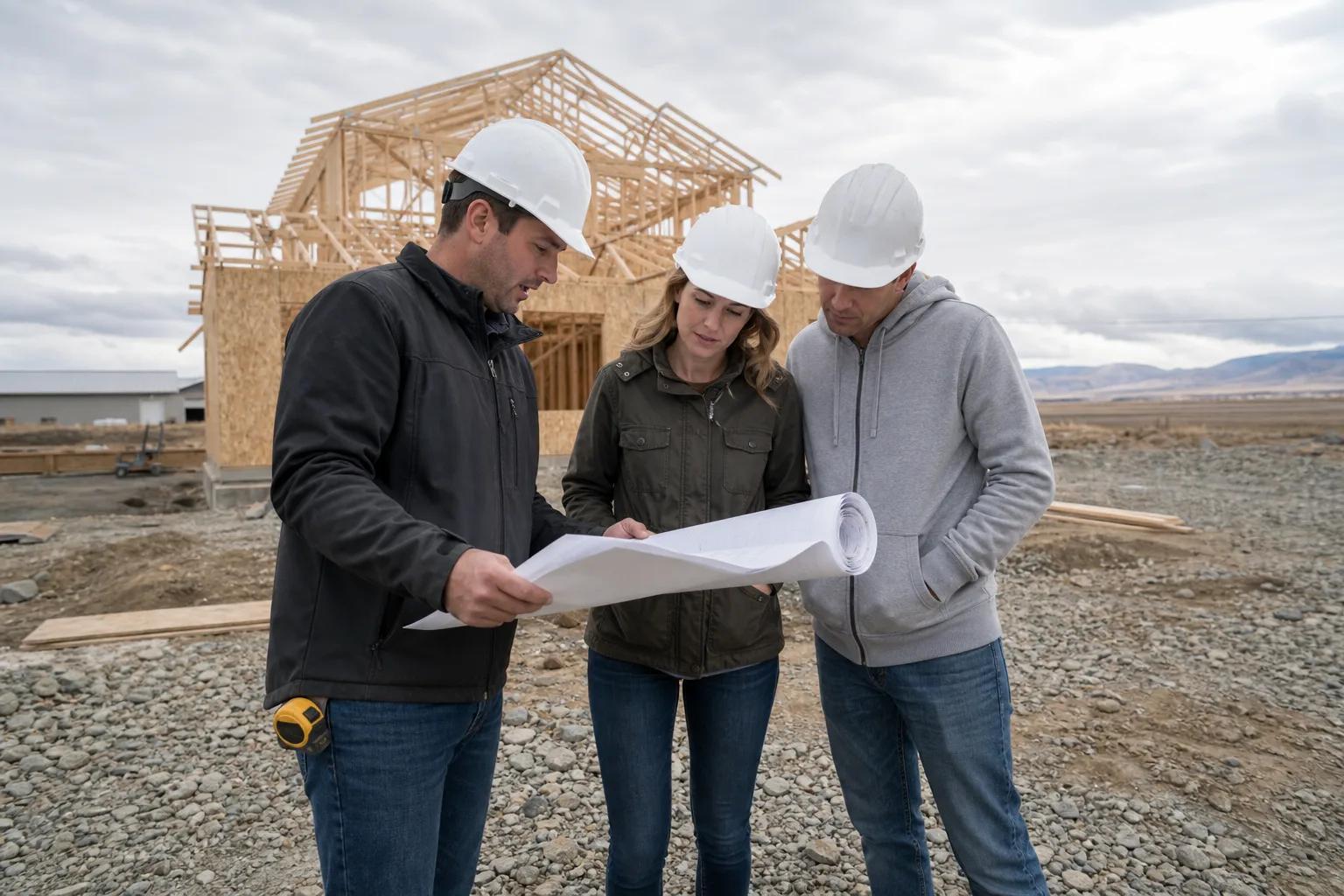
What an allowance actually is
Tap to expand
What an allowance actually is
An allowance is a dollar amount held in your building contract for a category you have not chosen yet. Contracts get signed before every decision is made. You know you want a kitchen; you have not picked the cabinets. So the builder writes a number for cabinets into the price, the contract can proceed, and when you eventually select, the real cost replaces the placeholder. If your choice costs more, you pay the difference. If it costs less, depending on the contract, you may get some of it back. That is the whole mechanism, and it is completely ordinary. What is not ordinary is how much damage a badly set allowance does, which is why this article exists. It is part of our Boise home building cost guide.
Why allowances exist at all
Tap to expand
Why allowances exist at all
They exist because design decisions and contract timing do not line up, and pretending otherwise would delay every project by months. A homeowner ready to sign a contract in spring is not usually ready to have chosen their tile, their faucets, their pendant lights, and their door hardware. Waiting until they were would push the build back and cost more than it saved. The allowance is the accepted compromise: lock the structure, the systems, the schedule, and the price of everything that can be priced, and carry a documented placeholder for what cannot.
The compromise only works if the placeholder is honest. An allowance is not a prediction of your taste and it is not a limit on your choices. It is a working assumption about what your category of choice costs in this market. Set it against reality and the budget survives. Set it against nothing and the contract price becomes fiction.
Which categories usually carry allowances
Tap to expand
Which categories usually carry allowances
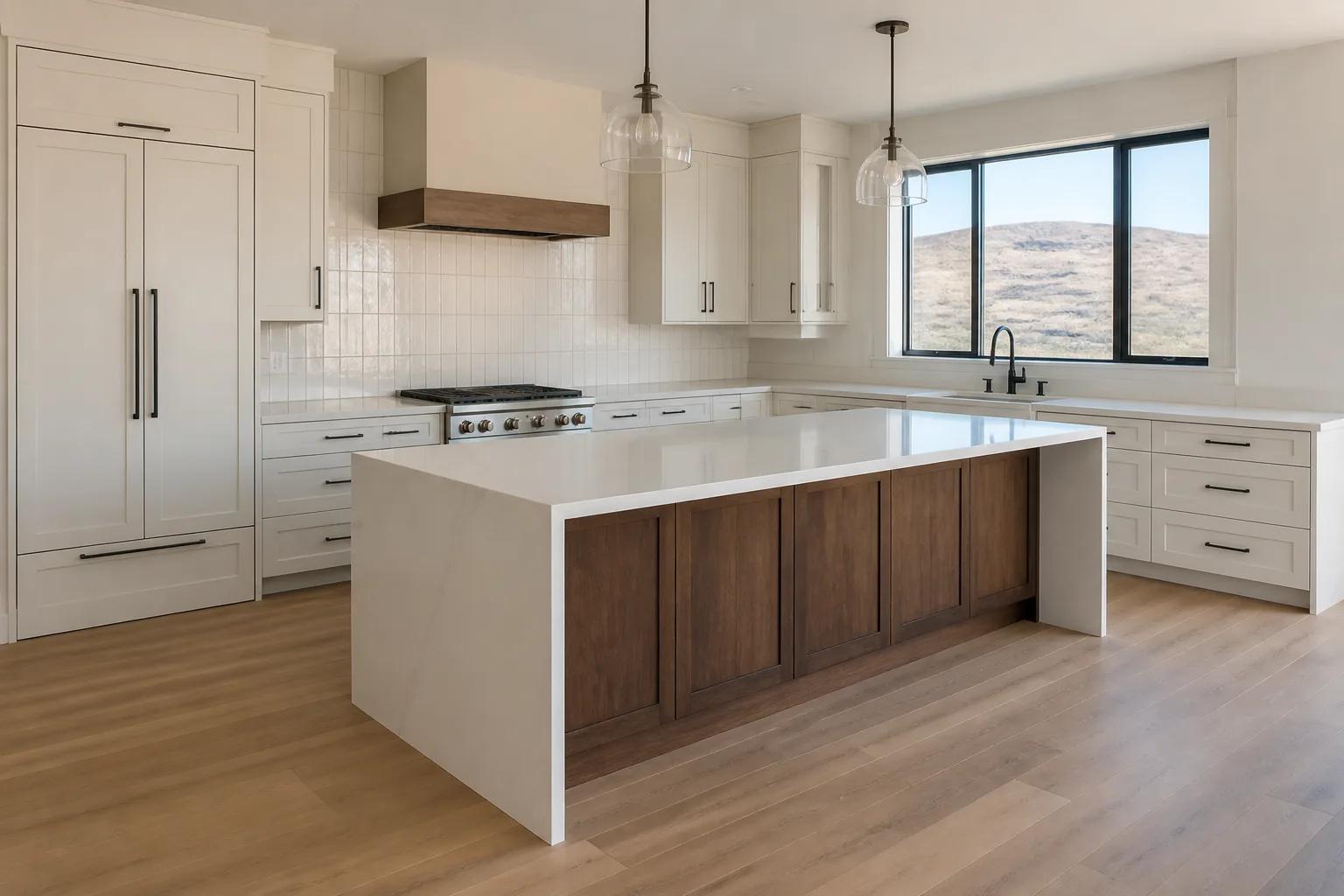
Anything you choose from a showroom rather than from a drawing. On a typical Treasure Valley new build that means cabinets, countertops, flooring, tile, plumbing fixtures, light fixtures, interior door and cabinet hardware, mirrors, and sometimes exterior items such as garage doors, front entry doors, and landscaping. Occasionally an allowance appears for something structural, most often site work on a lot where soil conditions are not yet known.
What should not carry an allowance is anything the builder can price now. Framing, roofing, drywall, insulation, mechanical rough-in, and concrete are quantifiable from the drawings. If those show up as allowances, the drawings are incomplete, the builder has not done a takeoff, or the number is being kept deliberately soft. Note that appliances sit outside this entirely on our contracts, because we treat them as client-supplied rather than carrying an allowance for them.
How a low allowance hides a low bid
Tap to expand
How a low allowance hides a low bid
Lowering an allowance lowers the bid without lowering the cost of the house, so it is the easiest way to win work and the fastest way to lose a client's trust. Picture two builders quoting the same 2,400 square foot home. Both are competent, both intend to build the same thing. One sets the tile allowance at what tile and installation genuinely cost here for the look the client described. The other sets it at half that. On paper the second builder is thousands cheaper across every soft category, and the total looks meaningfully better.
Then selections begin. The client walks into a supplier, picks tile that matches the house they have been describing all along, and discovers the allowance covers a fraction of it. Every category behaves the same way, and by the time the house is finished the second builder's total has caught the first, sometimes passed it. Nothing improper necessarily happened. The client simply never had a number they could plan against.
This is why we set allowances at what things actually cost here rather than at a figure chosen to win the bid, and it is why our proposals occasionally look higher than a competitor's for the same house. It is a trade we make deliberately. See how to compare home builder bids for the wider comparison problem.
The question that catches everyone: installed or material only
Tap to expand
The question that catches everyone: installed or material only
Always ask whether an allowance covers installation, because a material-only allowance and an installed allowance are not the same number and cannot be compared. Take a flooring allowance. A material-only figure covers the product delivered to site. Everything else is separate: underlayment, transition strips, subfloor preparation, trim, adhesive, and the labour to lay it. An installed allowance covers the finished floor you can walk on.
The gap between the two conventions is large, and it is usually not stated on the front page of a proposal. When two builders' allowance schedules look different, this is the first thing to check. Ask the question in exactly these words: does this allowance include labour, and if not, where is the labour priced. A builder who answers immediately and points to the line has thought about it. A builder who is vague has not, or would prefer you did not ask.
How to test whether an allowance is realistic
Tap to expand
How to test whether an allowance is realistic
Price your actual intention, at a local supplier, for the actual quantity in your plan. This takes a weekend and it is the highest-return hour of work in the whole preconstruction process. Work through the schedule category by category.
| Category | What to check |
|---|---|
| Cabinets | Linear feet in the plan, at the door style and construction you want |
| Countertops | Square footage including waterfall ends, at your material |
| Flooring | Square footage by room type, installed |
| Tile | Shower walls, floors, and any full-height feature, installed |
| Plumbing fixtures | Every sink, faucet, toilet, tub, and shower valve counted |
| Lighting | Fixture count from the electrical plan, not a guess |
Two rules make this work. First, use quantities from your plan rather than round numbers, because an allowance that is generous per square foot and short on square footage still comes up short. Second, price what you actually want, not the cheapest item that would technically do. The purpose is to find out whether the contract reflects the house you have in your head. If the allowance covers your real intention, the number is honest and you can plan against it. If it covers half, you have learned something important for free.
How overages are handled
Tap to expand
How overages are handled
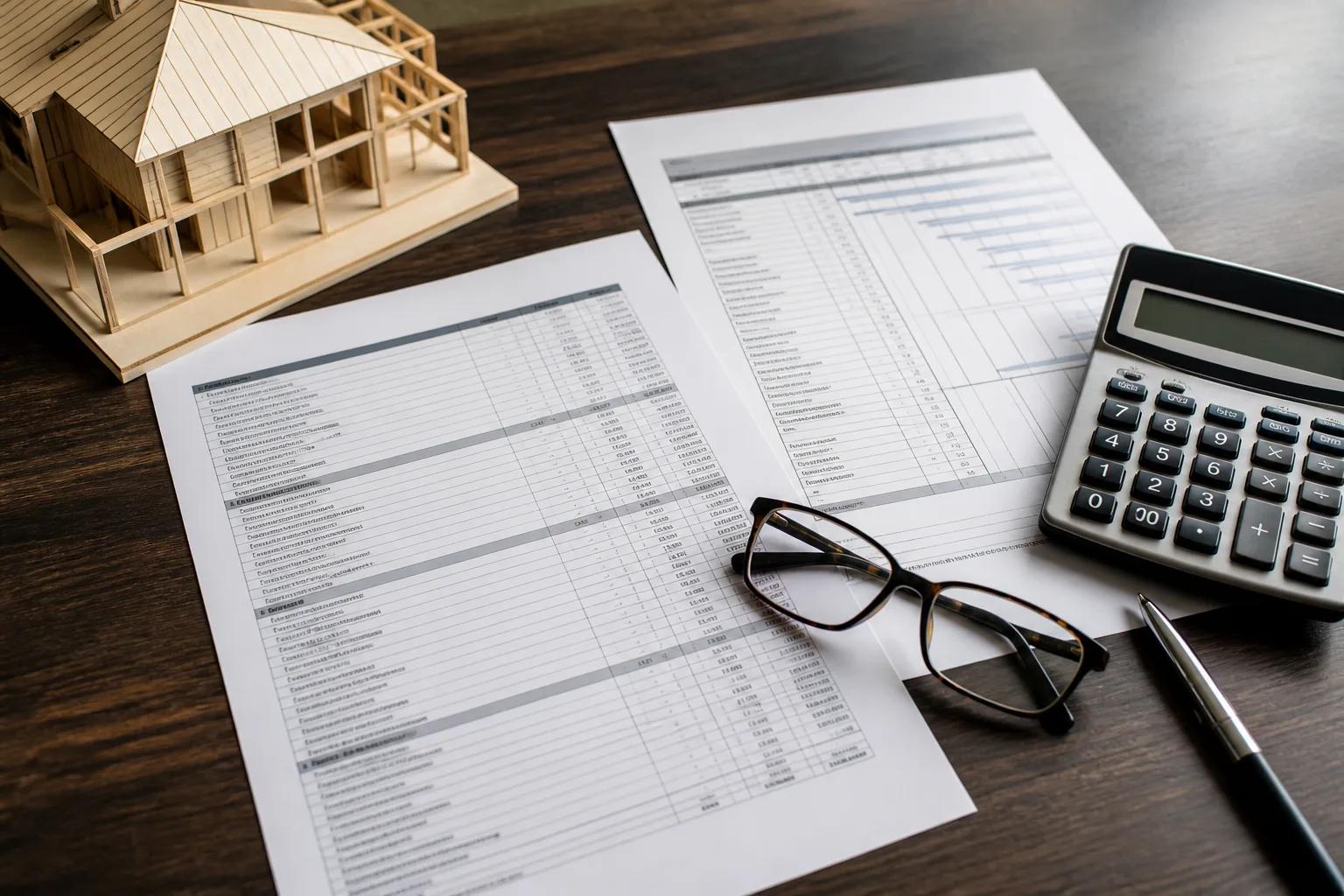
An overage should arrive as a documented change order at the moment of selection, not as a surprise on a final invoice. The paperwork should show the category, the allowance value, the actual quoted cost, the difference, and any effect on the schedule, and you should sign it before the order is placed. That sequence matters. Once cabinets are in production or tile is delivered, your leverage and your options are gone.
What separates a well-run project from a badly run one is visibility. You should be able to ask at any point what your position is across every allowance, and get a straight answer: this one is over by a certain amount, this one is under, here is the net. When that reporting exists, an overage is a choice you made knowingly, and clients regularly decide to spend more in one category and pull back in another. When it does not exist, the overages accumulate silently and arrive together at the end, which is the version people tell their friends about.
Credits, and why they are not symmetrical
Tap to expand
Credits, and why they are not symmetrical
Coming in under an allowance does not always put money back in your pocket, and the contract will tell you which convention applies. Some contracts credit the full difference. Some credit materials but not the labour portion. Some cap the total credit, and some exclude credits entirely on the grounds that the builder has already carried the cost of managing that category.
We are not going to argue that any one of those is universally wrong. What we will say is that a contract that charges you the full overage and returns nothing on the underage is asymmetric, and you should know that before signing rather than discovering it when you happily choose a simpler tile and hear that it changes nothing. Ask for the clause. Read it. If the answer is that credits are capped, that is a fact you can plan around, and it usually means you should aim your selections close to the allowance rather than deliberately under it.
The best allowance is the one you replace
Tap to expand
The best allowance is the one you replace
Every decision you close during design converts a placeholder into a real number, so the strongest budget is the one with the fewest allowances left in it. If you know which cabinet line you want, specify it. If you have chosen your flooring, put it in the contract as a specification rather than a figure. Each one you close removes a category of uncertainty from the project and from your financing, since a lender appraising from plans and specifications can value a documented selection more confidently than a placeholder.
Realistically, some allowances will remain open when you sign, and that is normal. The goal is not zero. The goal is that whatever remains is set at what the work costs in the Treasure Valley, and that you know which ones are still open. Choosing finishes for a new home covers how to work through selections without stalling the schedule.
Five questions to ask before you sign
Tap to expand
Five questions to ask before you sign
Ask these of any builder, and pay as much attention to how readily they answer as to what they say. Which categories carry allowances, and can I see the full schedule. Does each allowance include installation labour, or materials only. What quantities were used to build each number, and are they taken from my plan. How are overages documented and approved, and when will I see them. What happens if I come in under, and where is that clause in the contract. A builder who has set honest allowances will walk you through all five without hesitating, because the answers make their proposal look better rather than worse.
Getting a budget you can plan against
Tap to expand
Getting a budget you can plan against
An allowance schedule is the fastest way to tell whether a builder's number is real, so read it before you read the total. A contract price is only as trustworthy as the placeholders inside it, and a total assembled from optimistic allowances is not a lower price, it is a less complete one. We set allowances at what things actually cost here and produce a line-item budget before we break ground, precisely so the number we give you at the start is the number you can plan your life around. Read how to budget for a new home in Boise to see where allowances fit into the wider budget, or what it costs to build a house in Boise for the full picture. When you want an allowance schedule you can actually test, get in touch.